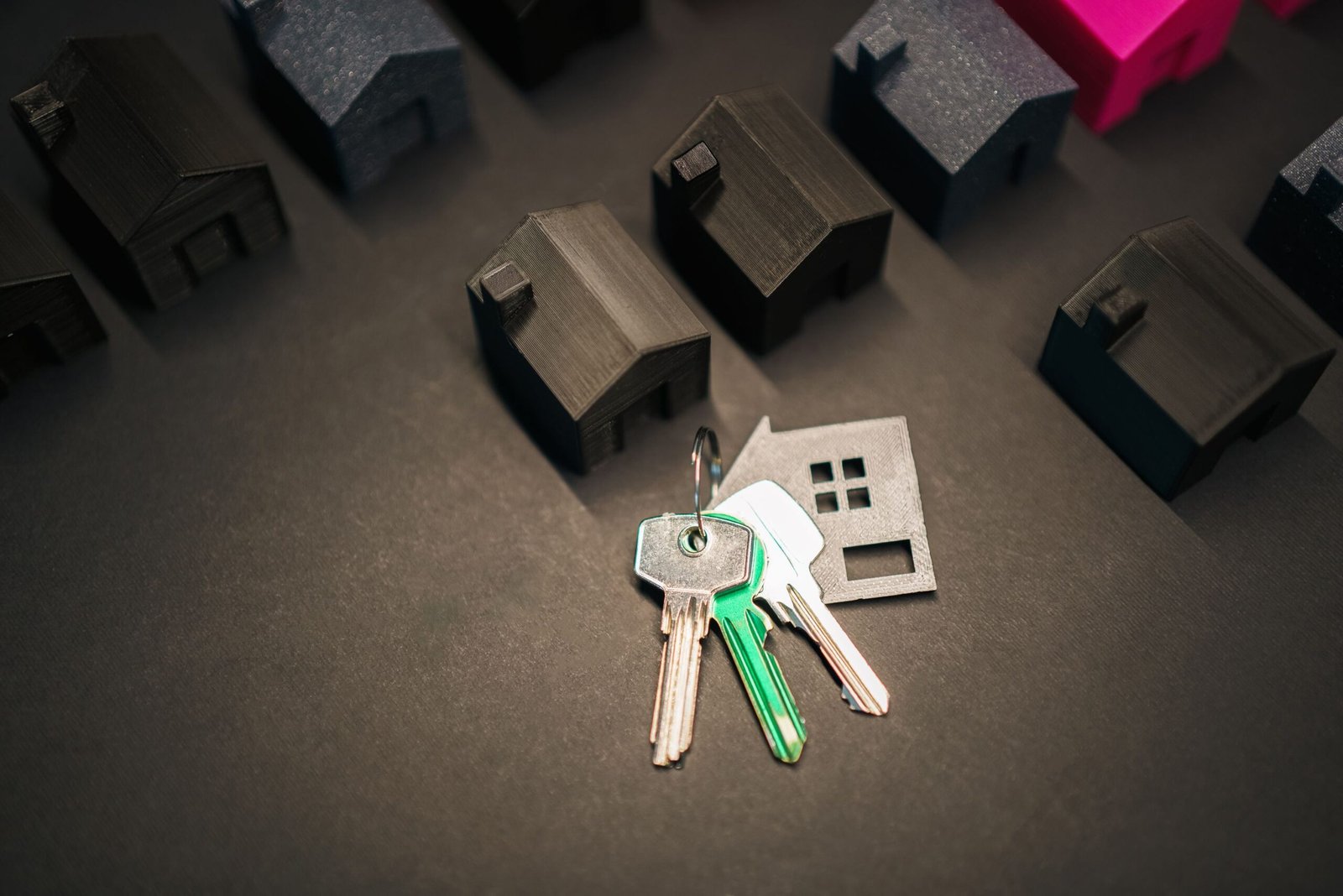
For many people, buying a home feels less like a dream and more like a savings challenge that never ends.
You may have a steady job. You may be paying rent on time every month. You may even have a decent credit score. But when you look at home prices and calculate the down payment, closing costs, moving costs, and repair budget, the total can feel overwhelming.
That is where down-payment assistance can help.
A lot of buyers still believe they need a 20% down payment before they can think about owning a home. In reality, many buyers purchase with much less. Some also qualify for programs that help with their down payment, closing costs, or both.
These programs are not reserved only for people with very low incomes. They are often designed for working people and families who can afford a monthly mortgage payment but need help getting through the front door.
If that sounds familiar, it may be worth learning more.
What Is Down-Payment Assistance?
Down-payment assistance, often called DPA, is financial support that helps eligible buyers cover some of the upfront costs of purchasing a home.
The help can come from a state housing agency, local government, nonprofit organization, employer, lender, or community program. Depending on the program, the money may be used toward:
- Your down payment
- Closing costs
- Prepaid property taxes or insurance
- Mortgage-rate reduction costs
- Other approved home-purchase expenses
The details vary, but the purpose is usually the same: making homeownership more reachable for people who are financially ready to own but do not have a large amount of cash saved.
Let’s say you find a home for $300,000. Even with a low down-payment mortgage, you may need several thousand dollars for the down payment and several thousand more for closing costs. That can be difficult to save while paying rent, covering regular bills, managing debt, and handling everyday expenses.
Down-payment assistance may cover part of that amount, which could mean the difference between waiting several more years and being able to buy now.
Of course, assistance is not always free money. Some programs are grants, while others are loans that must be repaid later. Before applying, it is important to understand exactly what kind of help you are receiving.
Do You Really Need 20% Down?
No, not always.
The idea that every buyer needs a 20% down payment has been repeated for so long that many people treat it as a rule. It is not. A 20% down payment can be helpful because it reduces the amount you borrow and may eliminate certain mortgage insurance costs. But it is not the only path to buying a home.
Many loan programs allow qualified buyers to put down far less. Depending on the mortgage, buyers may be able to purchase with 3%, 3.5%, 5%, or another low down-payment amount. In some cases, eligible buyers may qualify for loans with no down payment requirement.
The right down payment depends on your finances, your loan options, the home price, and how much cash you need to keep available after closing.
Putting every dollar you have into a home purchase is not always a good idea. Homes come with surprises. An appliance can stop working. A roof may need repair sooner than expected. Moving costs can add up quickly. It is usually wise to have some savings left after you get the keys.
That is one reason down-payment assistance can be so useful. It may allow you to buy a home without emptying your emergency fund.
The Main Types of Down-Payment Assistance
Not all programs work in the same way. Before accepting assistance, ask whether it is a grant, a loan, or something in between.
Grants
A grant is generally the simplest form of assistance. If you meet the program rules, the money does not need to be repaid.
Some grant programs offer a set amount, such as $5,000 or $10,000. Others provide a percentage of the home’s purchase price or loan amount.
However, even grants can have conditions. A program may require you to live in the home as your primary residence for a certain period. If you sell the home, rent it out, or refinance too soon, you may have to repay some or all of the money.
That does not make the program bad. It simply means you should understand the agreement before signing it.
Forgivable Loans
A forgivable loan is assistance that may be treated like a loan at first but is forgiven over time.
For example, you might receive $12,000 toward your purchase. The program may forgive 20% of that amount each year for five years. If you remain in the home for the full five years, you may not have to repay anything.
But if you sell or move after two years, part of the loan may still be outstanding. You could be required to pay that remaining balance when you sell.
This type of program can work well for buyers who expect to stay in the home for several years. If you think you may relocate soon for work, family, or personal reasons, make sure you understand what an early move would cost you.
Deferred-Payment Loans
A deferred-payment loan does not usually require monthly payments right away. Instead, repayment is delayed until something happens in the future.
Common repayment triggers include:
- Selling the home
- Refinancing your mortgage
- Paying off the first mortgage
- Moving out of the property
- Turning the home into a rental
Some deferred loans are interest-free. Others may accumulate interest over time. Either way, the balance does not disappear unless the program says it will be forgiven.
This can be a helpful option for buyers who need support now and expect to have more equity or stronger finances in the future. Still, remember that the amount may need to be repaid in one lump sum later.
Low-Interest Second Mortgages
Some programs provide assistance as a second mortgage. This is an additional loan on top of your main home loan.
The second mortgage may have a lower interest rate than a typical personal loan, but it can still require monthly payments. That means you need to factor it into your total housing budget.
Before agreeing to this kind of assistance, look at the full monthly picture: your first mortgage, the second mortgage, taxes, insurance, homeowners association fees, utilities, and expected maintenance.
A home purchase should leave enough room in your budget for the rest of your life.
Matched-Savings Programs
A matched-savings program encourages buyers to save by adding money to what they contribute.
For instance, a program may offer to match $2 for every $1 you save, up to a certain limit. If you save $2,000, the program might add another $4,000. That could give you $6,000 to use toward your home purchase.
These programs often require participants to take a homebuyer education course and save consistently for a period of time. They are a good option for people who are planning ahead and are not ready to buy immediately.
Employer Assistance
Some employers offer homeownership benefits, especially in areas where housing is expensive or where employers want to attract and retain workers.
Hospitals, universities, government offices, school districts, and larger companies may offer grants, loans, relocation support, or financial-wellness benefits that can be used for housing.
It never hurts to ask your human resources department. You may discover a benefit that is not widely advertised.
Who May Qualify?
Every program has its own rules, but many share similar requirements.
The first thing to understand is that qualifying for down-payment assistance usually does not mean you can skip the mortgage approval process. You will still need to qualify for a home loan. The assistance program is there to help with the upfront money, not to replace the lender’s review of your finances.
First-Time Buyer Rules
Many programs are aimed at first-time buyers. Fortunately, “first-time buyer” often has a broader meaning than people expect.
In many cases, you may qualify if you have not owned and lived in a primary residence during the past three years. That means someone who owned a home long ago, went through a major life change, or has been renting for several years may still qualify.
Some programs are also open to repeat buyers, especially if they purchase in certain neighborhoods or work in eligible professions.
Income Limits
Most programs have household income limits. These limits are usually based on local income levels and the number of people in your household.
A buyer with one person in the household may have a different limit than a family of four. Limits also tend to be higher in expensive housing markets.
Do not assume you earn too much without checking. Some assistance programs are available to moderate-income households, not only low-income households.
Credit and Debt
Your credit score, payment history, and debt-to-income ratio usually matter because they affect mortgage approval.
A strong credit score can help you qualify for better loan terms, but you do not always need perfect credit. Different lenders and loan programs have different requirements.
If you plan to buy in the next year or two, start improving your credit now. Pay bills on time, reduce high credit-card balances where possible, avoid applying for unnecessary new credit, and check your credit report for mistakes.
Your debt-to-income ratio is also important. This is the percentage of your gross monthly income that goes toward debt payments. Lenders use it to decide whether a proposed mortgage payment is realistic for your budget.
Homebuyer Education
Many programs require buyers to complete a homebuyer education course. This may be online, in person, or offered through a housing counselor.
At first, it may sound like one more task on a long homebuying checklist. In reality, it can be very helpful. A good course explains mortgages, credit, inspections, insurance, closing documents, maintenance costs, and ways to avoid financial trouble after buying.
The best homebuyers are not necessarily the people with the largest savings accounts. They are the ones who understand what they are signing up for and plan carefully.
Property Requirements
The home itself usually needs to meet program rules.
Most assistance programs require the property to be your primary residence. You generally cannot use the funds for a vacation home or an investment property. There may also be purchase-price limits, location requirements, and property-condition rules.
For example, a city may offer extra assistance to people buying in a specific neighborhood. Another program may only support homes below a certain price. Some may allow single-family homes, townhouses, condominiums, or approved manufactured homes, while others may be more limited.
Always check property rules before you fall in love with a house.
Where Can You Find These Programs?
The best programs are often local, so start close to home.
State and Regional Housing Agencies
Many states and regions have housing finance agencies that help residents buy homes. These organizations often partner with approved lenders to offer low down-payment mortgages, grants, closing-cost help, and second-loan programs.
Search for your state or region plus phrases such as “down-payment assistance,” “first-time homebuyer help,” or “housing finance agency.”
Their websites usually explain income limits, approved lenders, and current program availability.
City and County Housing Departments
Your city, county, or local housing authority may have homebuyer programs that are not available statewide.
Local assistance can be especially useful because it is designed around the needs of that community. In areas with high prices, programs may offer larger amounts. In neighborhoods that are being revitalized, buyers may receive extra help for purchasing there.
Call or visit the website of your local housing, planning, or community-development department. Ask specifically about down-payment grants, closing-cost assistance, and first-time buyer programs.
Nonprofit Organizations
Housing nonprofits can be a great resource, especially for buyers who are unsure where to start.
They may offer counseling, education courses, budget reviews, credit guidance, and information about local programs. Some nonprofits also administer assistance directly.
A housing counselor can help you understand whether you are truly ready to buy, which is valuable even if you decide to wait a little longer.
Lenders and Loan Officers
An experienced mortgage lender may know about programs that are not easy to find through a simple online search.
When speaking with a lender, do not just ask, “What loan can I get?” Ask whether they work with down-payment assistance programs in your area. Ask if there are grants, forgivable loans, or closing-cost programs that fit your income and credit profile.
It is also smart to speak with more than one lender. One lender may be more familiar with a local program than another. Compare rates, fees, payment estimates, and assistance terms before making a choice.
Your Job or Professional Group
Ask your employer whether any housing benefits are available. You can also check with professional groups, unions, veterans’ organizations, and local community groups.
Teachers, healthcare workers, first responders, public employees, veterans, and active military members may have access to special programs in some areas.
How Much Help Can You Get?
The amount depends on the program.
Some programs offer a few thousand dollars. Others provide a percentage of the purchase price or loan amount. In certain high-cost areas, assistance may be much larger.
What you qualify for may depend on:
- Your household income
- The number of people in your household
- Your credit profile
- Your home’s purchase price
- Your location
- Your loan type
- Available funding
- Whether you are a first-time buyer
One program may offer 3% of the loan amount. Another may offer a $7,500 grant. A third may cover only closing costs.
That is why it is important to get a full estimate from your lender. You need to know not only how much help you are receiving, but also how much money you will still need to bring to closing.
Even with assistance, you may need to pay for inspections, appraisal fees, earnest money, moving expenses, minor repairs, and a financial cushion after you move in.
The Benefits of Using Down-Payment Assistance
The biggest benefit is obvious: you may be able to buy a home sooner.
But there are other advantages too.
First, assistance can keep you from draining your savings account. Buying a house with zero money left over can make the first year of ownership stressful. If the water heater fails or your car needs work, you do not want every unexpected expense to go on a credit card.
Second, assistance may give you more flexibility. Instead of putting every saved dollar toward the down payment, you may be able to use some of your own funds for closing costs, moving, or emergency savings.
Third, it can help buyers who are responsible with money but have not had the advantage of years of family wealth or high income. Many hardworking people can afford a mortgage payment but struggle to save a large lump sum while paying rent. Assistance programs exist to help close that gap.
Finally, buying a home can help some households build stability over time. Homeownership is not a guaranteed investment, and home values can move up or down. But for people who buy within their budget and stay for a reasonable period, building equity can become an important part of long-term financial planning.
Things to Watch Out For
Down-payment assistance can be valuable, but it should not be accepted without questions.
The first thing to understand is repayment. Find out whether the assistance is a grant, a forgivable loan, a deferred loan, or a second mortgage. Ask what happens if you sell, refinance, move, or rent out the property.
The second is the mortgage itself. Sometimes a loan connected to an assistance program may have a higher interest rate or higher fees than another option. The help at closing may still be worthwhile, but compare the full cost over time.
Also, keep in mind that programs can run out of money. Do not assume that a program is available until your lender or program administrator confirms it.
Most importantly, do not buy more house than you can comfortably afford simply because assistance is available. The assistance helps with the beginning of the journey. You still need to be comfortable with the monthly payment and the ongoing cost of owning a home.
A Simple Way to Get Started
If you are curious about down-payment assistance, start with these steps:
- Review your income, savings, debt, and monthly spending.
- Check your credit report and work on any issues you find.
- Research state, city, county, nonprofit, and employer programs.
- Complete a homebuyer education course if required.
- Speak with approved lenders and ask detailed questions.
- Compare the full cost of each mortgage option.
- Keep your paperwork organized and avoid taking on new debt while applying.
Buying a home is a major decision, and there is no prize for rushing. Take your time, ask questions, and choose a payment that gives you room to live your life.
Final Thoughts
Saving for a home can feel discouraging when the goal seems far away. But a down payment does not always have to come entirely from your own savings.
Down-payment assistance may help you cover the upfront costs, preserve emergency funds, and move toward homeownership sooner. For the right buyer, it can be a practical tool—not a shortcut, but a source of support.
The most important thing is to understand the terms. Know whether the assistance must be repaid, what could trigger repayment, and how the loan fits into your overall budget.
If you are ready to explore your options, start locally. Speak with a housing counselor, check your state and city programs, and talk to lenders who understand the assistance available in your area. You may find that homeownership is more within reach than you thought.
This article is for educational purposes only and should not be considered financial, legal, tax, mortgage, or real estate advice. Down-payment assistance programs, eligibility requirements, and loan terms vary by location and can change. Consider speaking with a qualified housing counselor, lender, or financial professional before making a decision.